
Last updated: April 2026
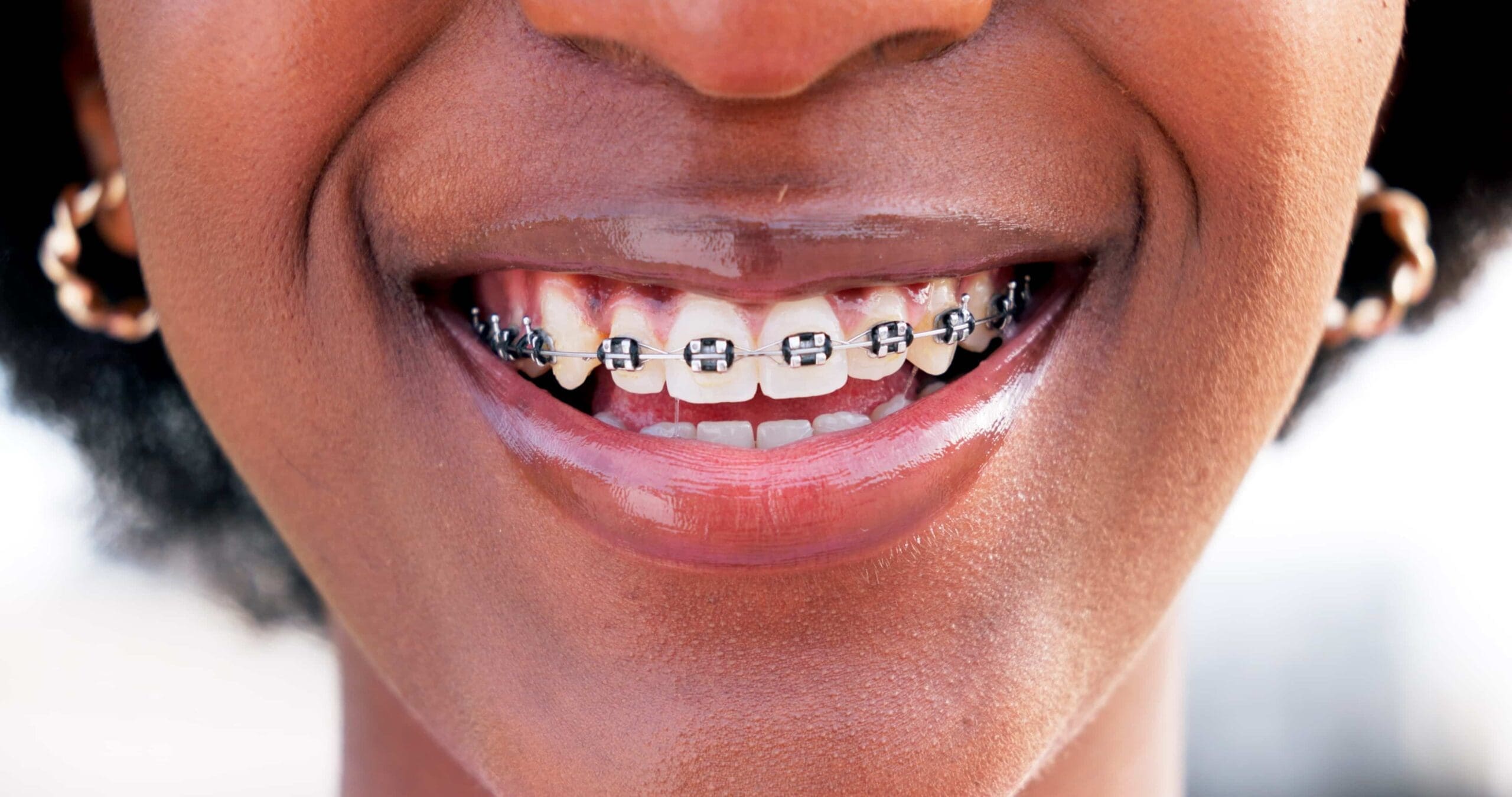
It’s 11 p.m. Your kid had braces put on three days ago. A wire is poking the inside of a cheek, a small sore is forming, and the whole family is standing in the bathroom staring at a tiny container labeled “orthodontic wax” wondering what to actually do with it.
We get this call most weeks during the first two weeks after a new placement. The good news is that braces wax is the right tool for this, and it works fast. The other good news is that cheeks toughen up to the new hardware within about a week or two, and the wax habit usually fades on its own. This guide walks through what braces wax is, how to put it on correctly, when to use it, when to skip it, and when a poking wire is no longer a wax problem and becomes a call-the-orthodontist problem.
What Braces Wax Actually Does
Braces wax is a soft, non-toxic cushion you press over a bracket or wire that’s rubbing the inside of your mouth. It creates a smooth barrier so the cheek, lip, or tongue can rest and heal. The wax doesn’t fix the braces. It gives the soft tissue a break while it toughens up or while you wait for an appointment.
Most orthodontic wax is made from natural ingredients like beeswax, carnauba wax, or paraffin. It’s designed to be safe if a piece is accidentally swallowed. The Canadian Association of Orthodontists has confirmed small amounts pass through harmlessly. You’ll also hear it called orthodontic wax or dental wax, which are the same product under different names.
How to Apply Braces Wax in 5 Steps
Here’s the exact method we walk patients through on placement day:
- Wash your hands. A full 20 seconds with soap. You’re putting your fingers near a sore spot, so this matters.
- Brush your teeth and dry the area. Food particles trapped under wax can irritate the spot more. A dry bracket holds wax better than a wet one. Use a tissue or corner of a towel to blot the bracket dry.
- Pinch off a piece the size of a small pea. Roll it between your fingers for about 5 seconds. Body heat softens it and helps it stick.
- Press it firmly onto the bracket or wire end. Cover the sharp edge completely. Use your tongue or a clean finger to smooth it down.
- Leave it in place. Replace as needed, max 2 days. Take it off to eat, brush, and reapply a fresh piece. Old wax traps bacteria, which is the last thing a sore spot needs.
Sleeping with it in is fine. The wax is safe overnight, and the uninterrupted healing time is usually when patients feel the biggest improvement.
When to Use Wax (And When to Skip It)
This is the part most articles skip. Not every irritation calls for wax, and not every “emergency” needs a phone call. Here’s how we think about it at our Cary office:
| Situation | Wax It | Call the Orthodontist |
|---|---|---|
| New braces, week 1 to 2, general cheek soreness | Yes | No, this is normal adaptation |
| Sharp wire end poking after an adjustment | Yes, as a bridge | Only if it persists more than 48 hours |
| One bracket rubbing a developing canker sore | Yes | No, unless the sore worsens |
| Bracket has come loose or is rotating | Temporary cover only | Yes, book a repair visit |
| Wire visibly bent or sticking out a long way | Wax the tip temporarily | Yes, same day if possible |
| Pain that’s sharp, throbbing, or worsening over 2+ days | Wax won’t fix this | Yes, call us |
| Playing a wind instrument or contact sport | Yes, preventatively | No |
The simple version is that wax is for discomfort and tissue adaptation. It is not a fix for hardware that’s moved, broken, or failing. If you’re reaching for it more than a few times a day past the first two weeks, something probably needs an adjustment.
5 Braces Wax Mistakes That Make Things Worse
Dr. Patel has been practicing orthodontics for over 12 years. These are the five mistakes we see most often, all of them avoidable.
1. Using too much wax
A pea-sized ball is plenty. A marble-sized glob falls off while you’re talking, traps food, and feels worse than no wax at all. Less wax, more often, works better.
2. Applying it to a wet bracket
Wax won’t stick to moisture. If a bracket is wet with saliva, wax peels off within minutes. Dry the spot first, then apply.
3. Eating with wax still in place
Wax becomes food-contaminated within a minute, and chewing pulls it off anyway. Take it out before meals, brush, then apply a fresh piece.
4. Leaving the same piece on for days
48 hours is the maximum. In practice, most patients change wax 2 to 3 times a day. Old wax collects bacteria, basically acting as a tiny sponge in the mouth.
5. Using wax to “hold” a broken bracket
Wax can cover a sharp edge from a broken bracket until you can get in to see us. It cannot reattach it. If a bracket has popped off or rotated, that’s a repair visit, not a DIY fix.
When Wax Isn’t Enough: Signs to Call the Orthodontist
A few signals mean the home-remedy stage is over:
- A wire has come completely out of a bracket or is poking straight out. Wax the end temporarily and call us for a same-day or next-day fix.
- A bracket is loose, rotating, or has come off. We’ll rebond it, usually quickly.
- Pain that’s getting worse, not better, after 2 to 3 days. Adjustment soreness should fade, not escalate.
- A canker sore that’s growing instead of healing. Sometimes the bracket position needs a minor tweak.
- Swelling, bleeding that won’t stop, or signs of infection like pus or fever. This is rare but warrants a same-day call.
Dr. Patel’s clinical training included orthodontic research published in the American Journal of Orthodontics and Dentofacial Orthopedics, and one of the things that sticks with you from that kind of training is how often the small details matter. A wire end that’s a millimeter too long can mean the difference between a comfortable week and a sore that lasts ten days. That’s the kind of thing we’d rather catch in a quick chair visit than leave to wax.
At our Cary office, we keep slots open for exactly these issues. Patients of Tooth By Tooth reach Dr. Patel directly. There are no associates, because Dr. Patel is the sole provider. You see the same doctor every visit.
For more on what’s normal first-week discomfort vs. what isn’t, our guide on whether braces hurt walks through the first few days in detail.
What to Do If You Run Out
Braces wax is cheap and sold over the counter. Pharmacies like CVS, Walgreens, and Target carry it in the oral care aisle near floss and toothbrushes. Amazon stocks several brands. If we put your braces on, we sent you home with a starter pack. Ask for more at your next visit and we’ll hand you a few boxes.
In a real pinch, like late at night or out of town, a small piece of sugar-free gum chewed just enough to soften can work as a temporary substitute. It’s not ideal. It pulls off faster than wax and tastes sweeter than you want at 2 a.m., but it’s a reasonable bridge until morning. Our take is that this works once. If you find yourself reaching for gum twice in a week, that’s a sign to either restock the wax or get a real appointment booked.
For more on the mechanics of braces at our practice, see our service page.
Frequently Asked Questions
Is it safe if I swallow braces wax?
Yes. Orthodontic wax is made from non-toxic ingredients like beeswax, carnauba, or paraffin. The Canadian Association of Orthodontists has confirmed it’s common for patients to accidentally swallow small pieces while talking or eating, with no harm.
Can I sleep with braces wax on?
Yes, and it’s often when wax helps most. Overnight is uninterrupted healing time for the tissue underneath. Swap in a fresh piece in the morning after brushing.
How long should I have to use braces wax?
Most patients use it heavily for the first 1 to 2 weeks after placement or after an adjustment, then less often. After about two weeks, cheeks and lips naturally toughen and most people stop using it day-to-day. Keep some on hand for flare-ups.
Can I eat with wax on my braces?
No. Remove it before eating, brush your teeth, and reapply a fresh piece if you still need it. Food particles get trapped under wax and create a bacteria problem fast.
What if I don’t have wax and a wire is poking me?
Sugar-free gum, softened by chewing, can work as a one-night substitute. For a wire that’s bent or sticking out noticeably, call our office. We’d rather see you for a 10-minute fix than have you suffer for a week.
Braces wax solves most first-week discomfort on its own, as long as you’re using it in the right spots and replacing it often. The rest comes down to knowing when it’s no longer the right fix.
Starting orthodontic treatment can feel like a big decision. We make the first step easy. Come in, ask questions, no pressure. Book a free consultation with Dr. Patel.
About the Author
Dr. Nishant Patel, DDS, MS, Orthodontist and Founder, Tooth By Tooth Orthodontics. Dr. Patel earned his DDS from the University of Illinois at Chicago (top of his class) and his MS with orthodontic certificate from the University of Minnesota, where his research was published in the American Journal of Orthodontics and Dentofacial Orthopedics. He has over 12 years of clinical orthodontic experience and is the sole provider at Tooth By Tooth in Cary, NC. Every patient, every visit.