
Last updated: May 2026
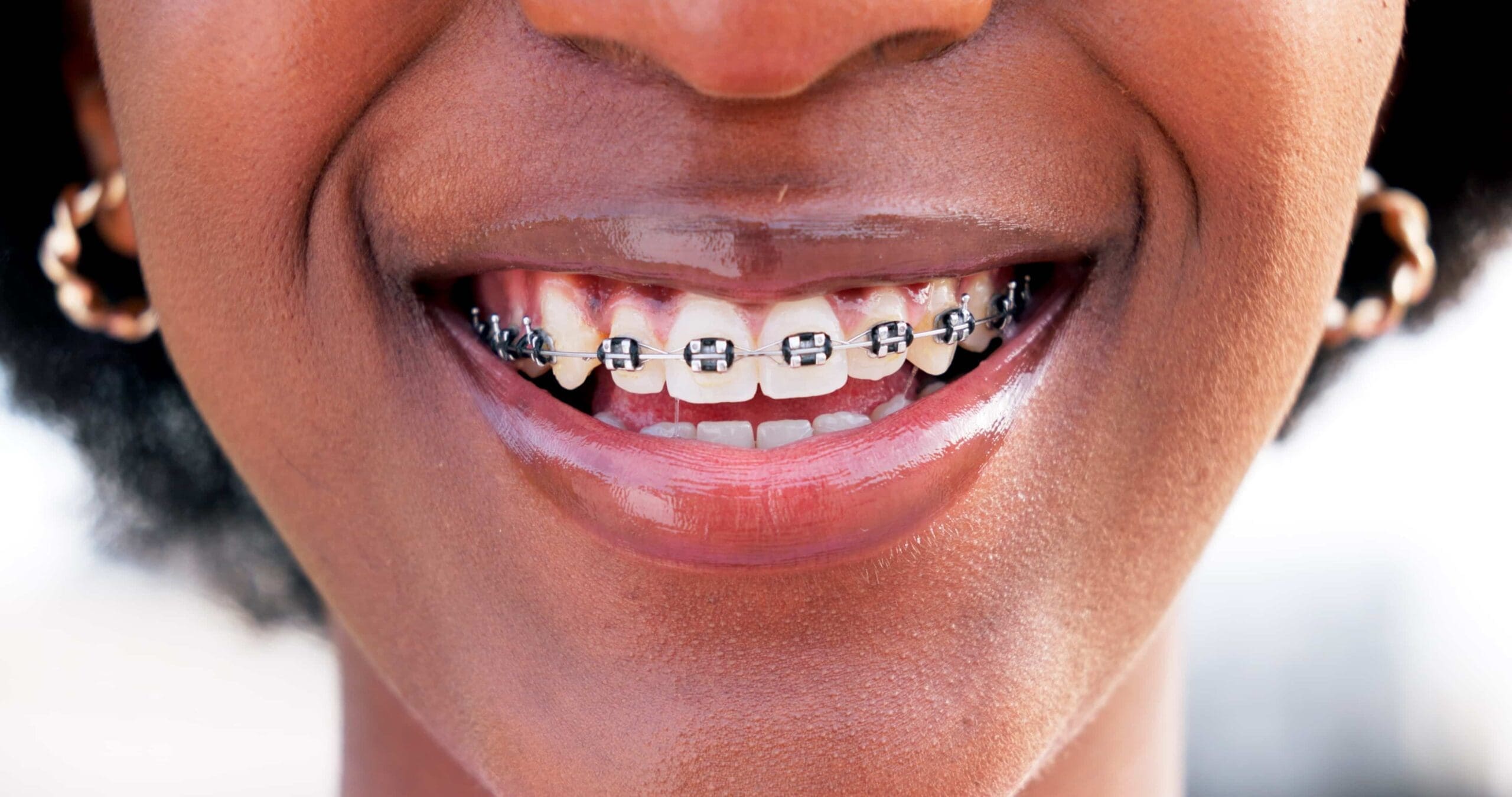
The brackets themselves don’t stain. The tiny elastic ties holding the wire to the brackets do. That distinction matters, because it changes everything about what you can do to prevent staining and how visible your braces will actually look during treatment.
Modern ceramic brackets are made from polycrystalline alumina, a material engineered to resist staining permanently. They keep their tooth-colored or clear appearance for the entire 18 to 30 months of treatment. The small rubber bands that wrap around each bracket to hold the archwire in place are a different story. They’re clear or tooth-colored when fresh, and they can pick up color from coffee, red wine, tomato sauce, curry, and tobacco within a few weeks.
The good news: those elastic ties get replaced at every adjustment appointment, typically every 4 to 6 weeks. The bad news: they can look noticeably yellow or stained well before the next appointment if you don’t manage what you eat and drink.
Why the Brackets Themselves Don’t Stain
Ceramic brackets are made from a hardened ceramic material (most often polycrystalline alumina) that’s been engineered specifically to resist pigment absorption. The surface is too smooth and too dense for staining compounds in coffee, wine, or food to penetrate.
This is different from the early generation of clear plastic brackets that were on the market decades ago, which did stain visibly over time. Modern ceramic brackets have been on the market for years and are tested specifically for stain resistance. Patients who finish 24-month treatment with ceramic braces look at the brackets on the day they come off and see roughly the same color they were on the day they went on.
The cosmetic concern with ceramic brackets isn’t fading. It’s the elastic tie system.
What Actually Stains (and How Fast)
Traditional ceramic braces use small rubber bands called elastic ligatures (or “o-ties”) to hold the archwire onto each bracket. These ties are typically clear, tooth-colored, or white when first placed. They’re made from a soft, porous elastomeric material that absorbs pigment from food and drinks the way a sponge absorbs water.
Staining timeline (rough estimates based on typical patient experience):
| Time After Adjustment | Tie Condition With Normal Eating | Tie Condition With Heavy Coffee/Tea/Wine |
|---|---|---|
| Week 1 | Clear, fresh | Slight yellowing visible |
| Week 2 | Slight dulling | Noticeably yellow |
| Week 3 to 4 | Mild discoloration possible | Yellow to tan, visible up close |
| Week 5 to 6 (next adjustment) | Mild yellowing typical | Tan to brown, visible at conversation distance |
Heavy use means daily coffee, tea, or red wine consumption without rinsing afterward. Tomato sauce, curry, mustard, and similar pigmented foods produce similar results.
A few specifics worth knowing:
- Clear ties stain the most visibly. They start invisible and end up looking yellow or tan, which is the most noticeable transition.
- Tooth-colored ties stain less visibly because the starting color hides early discoloration. They still pick up pigment, but it shows up later.
- Colored ties (blue, green, red, gray, etc.) hide staining well. Darker colors don’t show pigment buildup the way clear ties do. Some adults switch to colored ties (often gray or smoke) specifically for this reason.
- The brackets themselves stay the same color throughout. Any “staining” patients see is almost always the ties, not the brackets.
Foods and Drinks That Cause the Most Staining
The same things that stain natural teeth stain elastic ties faster. Roughly in order of impact:
Heavy stainers (visible discoloration within days)
- Coffee (especially black)
- Tea (especially black tea and green tea)
- Red wine
- Curry, turmeric, and saffron-based dishes
- Tomato-based sauces (marinara, pizza sauce, ketchup-heavy meals)
- Yellow mustard
- Berry juices and smoothies
- Soy sauce
- Balsamic vinegar
- Tobacco (smoking and chewing both stain heavily and quickly)
Moderate stainers (visible discoloration within 1 to 2 weeks)
- Cola and other dark sodas
- Beets and beet-based dishes
- Dark chocolate (large amounts)
- Some red meats with heavy seasoning
- Pomegranate
Low stainers (minimal effect)
- Water (drink more of this)
- Milk and most dairy
- White meats without heavy sauces
- Most vegetables in their natural state
- Pale fruits
This doesn’t mean ceramic braces patients have to avoid all of these foods. It means heavy consumption of the top group will show up on the ties faster than most patients expect.
How to Prevent and Slow Staining
The single best prevention strategy is timing and rinsing. The ties absorb pigment most aggressively in the first hour after exposure. Reducing that contact time slows down the accumulation significantly.
What actually works in practice:
Rinse with water immediately after staining foods or drinks. Even a 10-second swish reduces pigment uptake meaningfully. Carry a water bottle for the times when you can’t get to a bathroom.
Use a straw for dark beverages. A straw bypasses the front teeth where the elastic ties sit. This is especially effective for iced coffee, iced tea, and dark sodas.
Brush after staining meals when possible. Not always practical at work or in social settings, but a quick brush within 30 minutes of a marinara dinner makes a visible difference over a 6-week cycle.
Avoid stain-prone foods during the first 1 to 2 days after each adjustment. New elastic ties are at their most absorbent in the first 48 hours. A weekend free of heavy stainers right after the adjustment slows the visible accumulation.
Consider switching to colored ties if you’re a heavy coffee drinker and the yellowing bothers you. Gray, dark blue, or smoke-colored ties hide stains almost entirely. Some adults rotate colors month to month for variety.
Maintain good oral hygiene around the brackets. Plaque buildup around brackets gives stains a head start. Brush carefully, especially along the gum line and around each bracket.
What doesn’t work as well as people hope:
- Whitening toothpastes (won’t restore ties to original color; can scratch the bracket surface)
- DIY teeth-whitening kits (don’t work on the elastic ties; can cause uneven whitening of natural teeth around the brackets)
- Soaking removed brackets in cleaner (you can’t remove them yourself, and the ties get replaced at appointments anyway)
Self-Ligating Ceramic Braces: A Different Option
Self-ligating ceramic braces solve the elastic-tie staining problem by removing the elastic ties entirely. Instead of a rubber band holding the wire onto each bracket, self-ligating brackets have a small built-in door or clip that holds the wire in place.
The result: no elastic ties to stain. The ceramic brackets stay clean-looking for the entire treatment because there’s nothing porous to absorb pigment.
What you’re trading off:
Cost. Self-ligating ceramic braces typically cost slightly more than traditional ceramic. Often $500 to $1,500 more for the full treatment.
Adjustment frequency. Self-ligating systems often allow longer intervals between adjustments (sometimes 8 to 10 weeks instead of 4 to 6). Fewer appointments is a real convenience, especially for adults with demanding schedules.
Bracket profile. Self-ligating brackets are slightly bulkier than traditional ceramic brackets because of the clip mechanism. The difference is small but visible up close.
For an in-depth comparison of self-ligating systems, see our review of self-ligating braces.
For adults who chose ceramic specifically for the cosmetic advantage and who drink coffee, tea, or wine regularly, the self-ligating option is often worth the upcharge.
We fit clear and ceramic braces in Cary, and we will tell you honestly which one suits your case.
What to Do if Your Ties Have Already Stained
The short answer: wait for the next adjustment. The ties get replaced every 4 to 6 weeks. Whatever staining accumulated since the last visit goes away when the orthodontist puts fresh ties on.
A few additional notes:
- Don’t try to remove or replace ties yourself. You can damage the bracket or the bond to the tooth.
- Don’t soak your braces in any over-the-counter whitener or cleaner. None of it works on the ties, and some products can damage the bracket surface or the bonding adhesive.
- If staining bothers you mid-cycle, ask for an early adjustment. Most practices will replace the ties early for a small fee if the appearance is affecting your confidence.
The longer answer: if you’re consistently staining ties to the point where it’s visible from a conversational distance every cycle, consider one of three things:
- Switch to colored ties (gray, smoke, or dark blue hide everything)
- Reduce or rinse after the heaviest stainers in your routine
- Talk to your orthodontist about switching to a self-ligating system, if you’re early enough in treatment that it’s still practical
Frequently Asked Questions
Do clear braces turn yellow?
The brackets don’t. The elastic ties holding the wire do, especially clear ties. The yellowing happens from coffee, tea, wine, and pigmented foods. New ties go on at every adjustment (typically every 4 to 6 weeks), so staining isn’t permanent. It’s a recurring cycle.
Can I drink coffee with ceramic braces?
Yes, but expect the elastic ties to discolor faster than they would otherwise. Strategies that help: use a straw for iced coffee, rinse with water within 10 minutes of drinking, and consider switching to colored ties that hide staining. Many adult coffee drinkers go through treatment with ceramic braces successfully; they just plan around it.
Are self-ligating ceramic braces better for stains?
Yes. Self-ligating ceramic braces don’t use elastic ties at all, which removes the main source of visible staining during treatment. They cost slightly more than traditional ceramic braces but eliminate the cycle of fresh-then-yellowing ties. For heavy coffee or wine drinkers who want ceramic braces specifically for the cosmetic advantage, the upcharge is often worth it.
How often do the elastic ties get changed?
Most practices change the ties at every adjustment appointment, typically every 4 to 6 weeks. If staining bothers you mid-cycle, you can usually request an early tie change for a small fee. The brackets themselves stay on for the full treatment.
Will whitening toothpaste help remove stains from ceramic braces?
Not really. The brackets are stain-resistant to begin with, so whitening toothpaste won’t change their appearance. The elastic ties are too porous for surface-level whitening to make a meaningful difference. Worse, abrasive whitening toothpastes can scratch the ceramic bracket surface and damage the smooth finish that makes them stain-resistant in the first place. Stick with a normal fluoride toothpaste during treatment.
Are ceramic braces more visible than clear aligners?
Yes, even fresh ceramic braces are more visible than clear aligners like Invisalign. Ceramic brackets are smaller and tooth-colored, but they’re still bonded to the front of each tooth and visible up close. Clear aligners are removable plastic trays that are genuinely difficult to spot at conversational distance. If invisibility is the top priority and the case is suitable for aligners, that’s usually the more discreet option. For cases that require traditional braces clinically, ceramic is the most subtle bracket option.
Bottom Line
The brackets don’t stain. The elastic ties do, and they get replaced every 4 to 6 weeks anyway. Heavy coffee, tea, wine, and pigmented food consumption between adjustments produces visible yellowing of the ties; rinsing, using straws, and switching to colored or self-ligating systems all reduce the visible impact.
For adults who chose ceramic braces specifically for the cosmetic advantage, the realistic expectation is: looking great in week 1, slightly dulled by week 3, ready for fresh ties by week 6, repeat. That cycle is normal, manageable, and not a sign that ceramic braces “don’t work.”
If you’re considering ceramic braces in Cary and want to talk through whether traditional or self-ligating is the better fit for your lifestyle, Dr. Patel will walk you through it honestly. Book a free consultation and get a clear picture before you commit.
About the Author
Dr. Nishant Patel, DDS, MS, Orthodontist and Founder, Tooth By Tooth Orthodontics. Dr. Patel earned his DDS from the University of Illinois at Chicago, where he graduated at the top of his class, and his MS with orthodontic certificate from the University of Minnesota. His research has been published in the American Journal of Orthodontics and Dentofacial Orthopedics. He has practiced orthodontics for over 12 years and is the sole orthodontist at Tooth By Tooth in Cary, NC.
If you are in Cary, Apex or Morrisville, Dr. Patel can take a look in person.